Showing posts with label #science. Show all posts

Wednesday, November 21, 2018

Anti-aging face serum using essential oils


By Gaye Levy
Make a DIY anti-aging face
serum using essential oils
 
Over the past seven or eight years, my skin has gone from less than ordinary to radiant. I do not say this lightly because not only do I have mature skin, but it has been acne-prone and blotchy throughout my entire adult life. I credit this transformation to essential oils rather than to the expensive, chemical-laden department store lotions, potions and serums I used in the 80s, 90s and beyond.
These days, I shun OTC skin care products and make my own. For years, the crowning jewel in my DIY arsenal has been my "Luminous Face Serum." That is still a fantastic concoction but to be honest, it uses five different essential oils plus a carrier oil and can be a somewhat of a chore to make.
So here is how this played out.
I was out of my face serum and short on time. I needed something quick that would not require opening a number of bottles and counting out drops. I pumped a dab of rose hip oil onto the palm of my hand and added a single drop each of frankincense and lavender essential oils. I massaged it into my face, added makeup and was out the door in no time. The next morning, my skin was smoother and more vibrant. I knew I was on to something.
Since that fateful morning, I have been reformulating many of my skin care products to include both frankincense and lavender and the results have been nothing short of remarkable. Of all of them, however, it is the face serum that gets most of the credit. The best part is that it comes together quickly with only four ingredients.How to make an anti-aging face serum
Ingredients
Directions
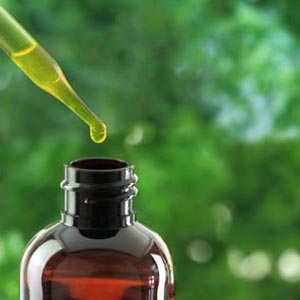
Add essential oils to a 15ml dropper bottle. Top with 1/3 rose hip oil and 2/3 jojoba oil.
For a 10ml dropper bottle, use five drops of each essential oil.
Use a generous amount twice daily, morning and night. By generous, I mean 1/3 to 1/2 dropper full of serum. The carrier oils, rose hip and jojoba are very skin friendly and absorb quickly without any greasiness.
Note: This is a 5 percent dilution.
Face Serum in Dropper Bottle | Strategic Living Blog

Better than Botox? Really?

The first real indication that I was on to something with this serum is when my husband noticed that the fine lines around my eyes had mostly disappeared. I had already noticed that my skin appeared a lot smoother, so much so that I had stopped using a primer under makeup. And holy moly, my skin looked good even without makeup. That was a first for me.
Here is an unretouched photo of the area around my eyes. Keep in mind I am older than dirt (okay, 68 years old) so there is some sagging but the creepy fine lines are gone.
Gaye 30 days after using DIY Anti Aging Serum | Strategic Living Blog
During my working years, I would get Botox injections around the eye area. It was expensive but did a lot for my self-esteem. A number of years back, I stopped the Botox injections not only because of the expense, but because I learned to become comfortable with the aging process. Still, who can deny the boost you get from looking at yourself in the mirror and seeing fewer wrinkles and fine lines instead of more?

The secret is frankincense essential oil

I have a confession to make. In the past, I have hoarded frankincense essential oil. I have a number of unopened bottles in my extensive EO inventory yet I would rarely use it due to the expense. It is not that I was ignorant of the many benefits of frankincense but more that I was being cheap. Kind of silly, really.
That is not to say I shunned it totally. I have used it to heal wounds from cuts, scrapes and burns while at the same time reducing and fading the appearance of scars. From time to time, I have added a drop or two to other formulas to help with anti-aging. Mostly, though, I have layered frankincense over other essential oils to enhance that oil’s properties and drive the oils deeper into the cells. This layering was something I would do almost in desperation, again, due to the expense.
I realize I keep mentioning cost. I do purchase my frankincense from Spark Naturals because I know their quality standards are high and because they sell direct and not through a membership or MLM program. Their product is not the cheapest but in the big picture, it is still less than those OTC products I favored in years past. Plus, for me, it works and works fast.
Which brings up another point. All essential oils, and not just frankincense, are adaptable. They interact with the unique chemistry of your body in such a way that what works for one person, may not always work quite as efficiently in another. In my case, lavender, peppermint, rosemary, oregano and melaleuca (tea tree) work for me without fail, every time. These are my go-tos for almost everything. Other EOs work better for me in blends and when they kick in, they really can carry a punch (blends are also referred to as synergies).
Regardless of the oil, however, adding some frankincense seems to make every oil I use more effective sooner.

Rose hip seed oil is also a star ingredient

I would be remiss if I did not include a word about rosehip seed oil. This gentle oil is not at all greasy and absorbs quickly into the skin. Rich in fatty acids, vitamin, and antioxidants, for me it is almost too rich which is why I combine it with jojoba oil. I found that using it straight resulted in little bumps on the surface of my skin. That is the reason why I blend it with jojoba oil, a fantastic carrier oil that mimics the sebum in our skin and has a long shelf-life.
Rosehip seed oil has a reputation for correcting dark spots and reducing scars and fine lines which, in addition to the frankincense, may be why this serum is so darn effective.
The combination of rose hip seed oil and jojoba oil makes a wonderful synergy. That being said, your experience may be different from mine so feel free to skip the jojoba oil and use 100 percent rose hip seed oil or even 100 percent jojoba oil.

Luminous face serum — still a fantastic choice

For those of you interested in making up a batch of my tried and true Luminous Face Serum, here is the recipe. Note that this serum uses only two drops of frankincense versus the eight that are used in my anti-aging serum.
Ingredients (2 drops each of the following essential oils)
  • Lavender Essential Oil
  • Frankincense Essential Oil
  • Geranium Essential Oil
  • Lemon Essential Oil
  • Basil Essential Oil
Directions
Add the essential oils to a 15 ml glass dropper bottle (1/2 ounce) and top with jojoba oil (or another carrier). Alternately, double the oils and create a salve by adding the oils to a 1-ounce jar of Base Salve (recipe here). Use twice daily, morning and night.
Note: This is a 3.5 percent dilution

A word about essential oils

I prefer essential oils from Spark Naturals, an online company based in Utah. They are not the cheapest nor are they the most expensive, but they have a quality product I trust and some fantastic sales.
You can purchase them directly from their website and also on Amazon.com where they have their own branded store.
Wherever you decide to purchase your oils, let your nose guide you. If your essential oil smells like paint thinner, return it. Good oils smell nice.

Summing it all up

In the back of my mind, a little voice is suggesting that the phenomenal results from using this anti-aging serum may be the result of my skin becoming used to the Luminous Face Serum I have been using for years. I hold out that could be true but I don’t think so. After just a month, the change in my skin tone is so remarkable that I have to believe that it is the magical combination of oils in this serum that is producing such a dramatic result.

I also want to remind you that you don’t have to be a woman, nor do you have to possess mature skin to reap the benefits of this serum. My husband, Shelly, has started using it and so have a number of my younger friends. They are seeing similar results which can only get better over time.

Tuesday, November 20, 2018

A Proposed Republican Pledge on Health Care


A Proposed Republican Pledge on Health Care

A Proposed Republican Pledge on Health Care
The 2018 midterm elections are less than two weeks away, and many polls show there is a sizable bloc of independent voters who have not yet made up their minds. At the same time, health care remains the number one issue for the American people.
The best way for Republicans to earn the votes of these undecided voters – and honor commitments to the Republicans who already support them – is to clearly articulate how they would fix our broken health care system.
This is an example of what that plan should be:
Republicans are Creating a Better Health System and Pledge to Do More
Republican Principles for America’s Health and Health Care System
  • We believe every American should have the opportunity to live a long and healthy life, supported by a health system that is simple to use, innovative, and affordable.
  • We believe that every American should have his or her choice of doctors and insurance that meet his or her specific needs.
  • We believe the health system should be transparent about health care costs and quality of treatments options and that this information should be available to every American in a simple, understandable way so patients can make better decisions about their own health.
  • We believe in protecting patients with pre-existing conditions so that they can obtain affordable health insurance coverage.
  • We believe in the importance of American medical innovation that leads to breakthroughs that dramatically improve health outcomes while significantly lowering costs.
  • We believe that the doctor-patient relationship is at the center of an effective health system, and it should not be disrupted by micromanagement from public and private bureaucracies.
  • We believe American seniors have earned their health care benefits; and that they, their families, and their doctors should make their own medical decisions – not unelected government boards, bureaucrats, or private third-party payers and middlemen.
  • We believe in a competitive health care market where private sector innovation works to strengthen public programs. One-size-fits-all government-controlled health care interferes with doctor-patient relationships, kneecaps new medical breakthroughs, provides less access to treatments, and leads to long wait times for critical care.
  • We believe that the current health care system in America is far too expensive. While it is very good at treating people when they become sick, it is much less effective at helping Americans remain healthy – which is equally as important.
  • We believe the goal of health reform should be to build on what’s working and fix what’s not. Destroying what’s good about our health system in an attempt to fix what’s bad is not an acceptable step toward a better future.
Republican Accomplishments in Improving America’s Health and Health Care System
Consistent with these principles, Republicans have taken several steps to improve the simplicity and affordability of America’s health and health care system. So far, the Trump administration and the Republican-led Congress have:
  • Passed legislation to eliminate the Obamacare individual mandate penalty.
  • Passed legislation to end pharmacy “gag” clauses so patients can find the lowest prices for drugs.
  • Passed Right-To-Try legislation.
  • Passed $6 billion dollars in new funding to fight the opioid epidemic.
  • Passed the historic VA Mission Act, which replaced the troubled Veterans Choice Program and passed the VA Accountability and Whistleblower Protection Act to make sure VA employees are held accountable for bad behavior and bad service.
  • The Trump administration is providing more affordable health care options for Americans through association health plans and short-term limited-duration plans.
  • In the first year of the Trump administration, the Food and Drug Administration approved more affordable generic drugs than ever before in history. Thanks to its efforts, many drug companies are freezing or reversing planned price increases.
  • The Trump administration reformed the Medicare program to stop many hospitals from overcharging seniors on their drugs – saving seniors hundreds of millions of dollars this year alone.
  • The Trump administration cut high-dose opioid prescriptions by 16 percent during its first year in office. This year, President Trump signed the SUPPORT for Patients and Communities Act to direct even more resources to fighting addiction and crack down on dangerous synthetic drugs that are killing tens of thousands of Americans a year.
  • Under the Trump administration, the VA expanded telehealth services, walk-in clinics, same-day urgent primary and mental health care, and launched the promised 24-hour White House VA Hotline.
The Republican Promises for Additional Improvements to America’s Health and Health Care System
If the American people re-elect Republicans to a majority in the House and Senate, we pledge to enact a series of practical and specific changes, based on what works in the public and private sectors, to build a better health system. This system will keep people healthy and provide effective treatments and economic security for those who get sick. These legislative changes will:
1. Protect patients with pre-existing conditions with an alternative approach to the Washington-knows-best method of Obamacare, which doubled premiums in the individual marketplace. We will do so by committing the resources necessary for states to try new approaches, like high risk pools and reinsurance, so everyone – regardless of medical history – has access to affordable insurance.
2. Further reduce the cost of prescription drugs by requiring additional transparency and accountability across the entire prescription drug supply chain (from manufacturers, to pharmacy benefit managers, to health insurers); making sure patients receive the benefits of drug manufacturer discounts and rebates; changing FDA rules to accelerate the release of new and generic drugs to market; and creating incentives to give more patients affordable access to new, highly-effective treatments that cure diseases and save money over time but have large up-front costs that create short-term challenges for public and private payers.
3. Lower premiums for individuals and small businesses by eliminating the health insurance tax; reducing Washington mandates that limit choices and drive up the cost of insurance; allowing the self-employed and small businesses to band together to purchase insurance so that they can have the same negotiating power as big businesses; and making it easier for smaller companies to self-insure.
4. Strengthen Medicare by protecting Medicare Part D patients from excessive out-of-pocket costs for drugs; protecting the market competition model of Medicare Part D, which has kept premiums low for seniors; eliminating unelected boards and bureaucrats that have decisions over treatments; and protecting Medicare as a program for seniors by opposing government-run health care, which would strain resources and limit availability and access to health services.
5. Maximize medical innovation by fully funding National Institutes of Health research that leads to new cures and treatments; creating incentives for private sector research dollars to flow into national health priorities, such as Alzheimer’s disease; repealing the medical device tax; reforming the FDA to give patients access to breakthrough treatments faster and at lower costs; and applying pressure on foreign countries to pay their fair shares for U.S.-developed drugs.
6. Make health care simpler by passing additional legislation to make the price and quality of health care providers visible and useful to patients; insist on patient rights to ownership and portability of their medical records; liberate primary care physicians to practice their craft with minimal interference from government and insurer bureaucracies – including expanding patient access to direct primary care options; and reduce or modify federal mandates, which increase administrative overhead, incentivize waste, and interfere with the kind of doctor-patient relationship that keeps people healthy for the long term.
7. Fight the opioid crisis by reducing the use of opioids to treat pain; enhancing border security to stop the flow of deadly fentanyl into our communities; investing in research to create non-addictive painkillers; and improving access to evidence-based treatment – including medication-assisted treatment.
8. Address the underlying costs of health care by focusing on treating chronic disease; shifting to payment models based on value and long-term health outcomes; passing medical liability reform to reduce unnecessary and duplicative testing; fighting health care fraud through public and private investment in information technology that the credit card industry uses successfully; and emphasizing public investment in improving the social determinants of health status, such as access to public transportation, affordable housing, and healthy food options.
This is the type of contract on health Republicans should be willing to sign – and deliver – to the American people so that we can all live longer, healthier, more productive, and more enjoyable lives.

Sunday, November 18, 2018

The spice plant for perfect blood sugar

by Bob Livingston

The spice plant for perfect blood sugar 
It's no surprise that the economy is the greatest concern to millennials.
With the rise of blood sugar problems comes the rise of the number of people on permanent treatment by the mainstream medical community. These people then have to suffer the side effects — like stomach pain, diarrhea, gas, weakness, muscle pain, headache and even upper respiratory infections — that come afterwards.

The good news is that there's a plant effective at knocking down blood sugar, but without the nasty side effects.

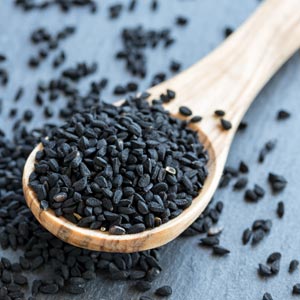
The pods of the Nigella sativa plant are small black seeds also called black cumin seeds. These contain thymoquinone (TQ), THQ, and thymol among other compounds, which act on our cells and helping them to maintain their potency and health.
The wonderful thing about cumin seeds is that they have general health benefits you wouldn't normally encounter in an herb. For example, researchers discovered, much to their surprise and my own when I read about it, that if you have extra fat around the middle, simply ingesting cumin seed extract will banish loss of libido (affected 84% of men), forgetfulness (89%), high appetite (73%), aches and soreness (74%), sleeplessness (54%), and loss of energy that comes with extra fat cells. A placebo induced no such changes.

Scientists at the Desert Medicine Research Center (Indian Council of Medical Research) set out to test the performance of the seeds against a spike in blood sugar.

Thymoquinone (TQ), induced what they called "antidiabetic activity." Specifically, it helped reduce appetite, glucose absorption in the intestines, blood glucose level, cholesterol and triglyceride levels, body weight and it simulates the secretion of insulin from beta-cells in the pancreas.

It also helped improve glucose tolerance as efficiently as any treatment from your doctor, while showing no significant adverse effects. It also stimulated partial regeneration of pancreatic beta-cells. Those are the cells in your pancreas that store and release insulin and produce hormones that slow the rate of sugar entering your bloodstream to better control your blood sugar levels.

In other words, the seeds of the Nigella sativa plant appear to help the body keep blood sugar completely normal.

Nigella sativa is also known by a number of other names you may recognize.

These include:

• Black cumin
• Black sesame
• Onion seed
• Black caraway
• Roman coriander

It's also simply referred to as "black seed" or in the case of the oil, "black seed oil" or "golden oil." That's because the oil itself has a golden color and has been used for health purposes since the time of the Pharaohs.

The source of the Nigella sativa oil I use is called Peak Golden Oil. It gives you 2,000 mg of pure oil pressed from organic black Nigella Sativa seeds. That organic factor is something I always look for in any plant-based supplement, as you don't want to take the risk of polluting your body with the toxins that come from conventional farming methods. I suggest that you take the supplement with a meal to ensure maximum absorption.

Tuesday, November 13, 2018

Demand an End to Liberal Privilege


Demand an End to Liberal Privilege


First of all, before I start this, let me say I disagree with most of the usages of the word “privilege.”
The left refers to people of “privileged background” for instance, when what they really mean is “rich” or, these days, “middle class and with parents who insisted on education.”
I suppose this makes some sense in the context of a leftist world view, but it makes no sense in reality.
You see, privilege means “private law.” In terms of the past, noblemen were privileged because the law either didn’t apply to them (at all) or they had special laws that applied to them. For instance, in many jurisdictions, noblemen were exempt from the capital penalty. In most “clergy” were exempt from the death penalty. And the benefit of clergy would be given to anyone who could read and write. That was privilege. Private law. “The laws don’t apply to us, and you can’t make us obey them” if you prefer.
So in terms of left-Marxist world view, it makes sense to think that anyone who has more has somehow cheated the existing laws. Or to believe that anyone who has better outcomes than someone else is taking advantage of a “private law,” that is, cheating.
The problem is that this only makes sense if you buy into the leftist world view, in which every human being is a widget, or if you prefer a game piece, with exactly the same qualities as any other game piece.
In actuality, humans can get rich without cheating anyone and outcomes of anything vary a lot depending on the qualities of the human beings involved and, yes, on their level of effort too.
Which brings us to real privilege: the de-facto exertion of a private law.
For instance, take the Kavanaugh hearings when all the liberals were assuring us that we didn’t need to presume innocence until guilt was proven. Did you notice that not only didn’t any of them revise their opinion of the sexual scandals of Bill Clinton – against whom guilt was overwhelmingly proven – but they were also adamant that the same principles they were trying to apply to Kavanaugh didn’t apply to Keith Ellison?
This makes absolutely no sense. If you “believe all women” (and btw, that too is privilege. Where is the “believe all men?”) why not believe Ellison’s battered girlfriend, who has the hospital visit to prove it, or Juanita Broderick before you believe Christine Ford?
The liberals handwavium explanation amounted to a lot of handwavium and what my grandmother used to call “trying to remove the butt from the path of the syringe.” I.e. “it’s a job interview” or “she is credible” or whatever were not so much arguments for believing one person and not believing the other as attempts to make you look elsewhere and forget to argue.
You see, they know the principle but can’t say it aloud – some of them not even to themselves – because that would cause them to admit that they are chock-full of privilege, which their theories force them to view as a sin.
In fact, all their claims of other people’s privilege are to excuse their own establishment of a private law for themselves.
For instance, how many discussions have you seen in which some white man is told to stop talking because he’s full of “white privilege” and should “educate himself.”
And yet, I can honestly say that in my decades in this country and in association with white men (husband, friends) I’ve never seen any of them have recourse to private law that excuses their crimes or gives them an easier time in surviving. In fact, and contra one of my colleagues in science fiction, who claimed that being a white male in America is “life on the easiest setting,” white people in the US (and white men in particular) get fewer opportunities at scholarships, fewer set-asides in either positions in education or employment, and preference in promotion, and in general a rougher path through life, regardless of background. (Of course, those who come from greater wealth have an easier time relatively, and sufficient wealth makes up for all other conditions. That’s just part of being human.)
Then there is the time my son was told he was privileged because we had lots of books in the house and encouraged reading. That particular teacher must have been having a flash back to that “benefit of clergy.” Or something.
And yet, there is one glaring form of privilege in the United States today.
In fact, I think that’s what my colleague was confused about. You see, he’s a vocal liberal, and I think that’s why he’s experienced a meteoric rise through the field, despite a … passable talent and an absolute refusal to work harder or reach higher than strictly needed.
The same could be said about other liberals in the public eye, male and female and of every race: for instance, can anyone imagine a Republican of any race of sex having the meteoric rise Barrack Obama experienced, from Freshman Senator to President?
Did anyone see Sonya Sotomayor, a woman stupid enough to think that being Latina confers special wisdom, being questioned about her obvious racism and sexism? Does anyone think a Republican nominee of any race – remember Clarence Thomas? – would get as easy a ride into the Supreme Court of the United States?
Has anyone noticed that when there’s any reason to call on a speaker to explain a public disaster or event, outside explicitly conservative venues, the “expert” called upon is always leftist?
I’ve been jaw-dropped on more than one occasion to see a freshman colleague of mine called to comment on say space developments when this person might have written one or two books and none of them concerned with space. But, you know, it’s liberal privilege.
Liberal privilege ranges from quite literal private law — anyone see a Republican who left a girl to die in his car go on to become the Lion of Senate? — To an easing of the way, a magic carpet ride to the top for good little boys and girls who express the right (left) position.
Being liberal means never having to say you’re sorry.
And you know why as well as they do: for near on a hundred years, they’ve had control of the bureaucracy, as well as of those fields that shape the narrative, including the news, entertainment, and literature.
Their crimes are excused, while crimes are invented in the account of everyone who opposes them.
All of which would be galling enough without the newest wrinkle.
It started a long time before the Kavanaugh hearings. For a long time, they’ve been trying to deny anyone to the right of Lenin the rights secured to us by the Constitution of the United States. Their attacks on the Second Amendment are legendary, but latel,y they’ve been trying to extend the fight. For instance, we’ve seen them not only declare that certain words should be crimes, but working through those companies they control to prevent the free speech of those they don’t like or consider dangerous (often the same thing.)
And in Kavanaugh’s hearing, they tried to deny that anyone they oppose can have the right to due process and the presumption of innocence.
It’s not just that the left wants their own private law. It’s that the rights they’re arrogating for themselves under that de-facto law are the rights all of us are entitled to.
We are not peasants. We will not get in line. And we will continue to demand equality under the law. It’s the least we’re entitled to as Americans: an end to liberal privilege.

Sunday, November 11, 2018

They're bidding for what?!!!


They're bidding for what?!
By Jason Stutman
Less than a month from today, the world will witness a modern David versus Goliath story play out.
On November 14th, David Beyerle, a communications engineer at Penn State University's IT department, will go toe to toe with a long list of major internet service providers (ISPs).
The ticket includes some of the most powerful carriers on the planet, namely Verizon Wireless, T-Mobile, and AT&T.
If you’re hoping for blood, you won’t find any in this fight. The battle will be overseen by the U.S. Federal Communications Commission (FCC) in an orderly fashion. No fists will be thrown and no stones will be flung. Nonetheless, it will be a fierce and hard-fought bout.
The prize won’t be anything you can touch or hold in your hands, yet it will be incredibly valuable to those who wish to wield it. Largely ignored by the mainstream media, the battle for something known as "millimeter waves" is one where investors will want a front-row seat.
 

Millimeter Waves: What Are They, and Why Are They So Valuable?
Millimeter waves, I have to admit, aren’t exactly a sexy topic. Most people have probably never even heard of millimeter waves before, but there’s a reason multibillion-dollar conglomerates are lining up to bid for them in a series of highly anticipated government auctions.
There’s a reason even underdogs like David Beyerle are hoping for a moonshot to get their hands on them...
Occupying the spectrum of frequencies between 24 GHz and 28 GHz, millimeter waves are much like any other form of wireless communication we’re already familiar with. Radio, cellular, and satellite all operate within specific ranges of wavelengths and frequencies.
Sending information through thin air may seem like magic to some, but the technology is based entirely in physics. Imperceptible to the human eye, electromagnetic waves of all shapes and sizes are constantly flowing through (or bouncing off) you at any given moment.
These waves all carry a set of physical properties that determine how they can be used for human benefit (or even harm). Frequency, wavelength, and photon energy ultimately determine what are known as propagation characteristics, or the way waves move through the atmosphere.
Again, this isn’t exactly enthralling information, but it absolutely matters. The point is that data doesn’t just travel through empty air; it rides physical waves, which are ultimately finite in supply.
This is why local television and radio broadcasters have unique “channel” assignments. Designating channels to specific broadcasters allows for multiple routes of communication without interference.
If we didn’t divvy up these channels, wireless communication would be as effective as a two-way highway with no lanes and no median. Hence the upcoming FCC auction for millimeter wave, a spectrum that will be crucial in the next generation of mobile communication, or 5G.
The Very Foundation of 5G
Without digging too deep into the details, millimeter waves operate within a range of relatively short wavelengths and high frequencies. This combination makes them incredibly effective at sending large amounts of data (high bandwidth) through the air to many different devices at once.
Now, high bandwidth on its own, of course, isn’t anything new. Infrared and optical wavelengths, in fact, can support higher data rates than millimeter waves can. These shorter wavelengths, however, are easily disrupted by the atmosphere. All it takes is a little bit of rain or fog to disrupt the signal, hence the use of optical fiber to prevent any interference.
Millimeter waves, though, are much more durable in the air. Not quite as durable as radio waves, mind you, but enough to get the job done.
In short, millimeter waves exist at the perfect intersection between distance and bandwidth. In the balancing act of the electromagnetic spectrum, they are essential to increasing the capacity of wireless communication as far as we need it today.
Needless to say, Verizon, AT&T, and T-Mobile have incredible incentive to control parts of the millimeter spectrum. Barring an act of God on behalf of David Beyerle, they’ll easily outbid the remaining competition when the FCC auctions kick off on November 14th.Why This All Matters to You
The millimeter wave spectrum may hold incredible value for ISPs, but it isn’t enough on its own. At the end of the day, these ISPs need access points to send and receive those signals.
Because millimeter waves can only travel so far, mobile carriers and their infrastructure partners have to tighten the net, so to speak. Instead of enormous cell towers every 20 miles or so, “small cell” towers are being deployed across the U.S. (and soon the entire world) in order to make full use of that millimeter spectrum.
In 2019 you’re going to start seeing these small cells popping up all over the place, if you haven’t already. They’ll be deployed on city sidewalks (perhaps disguised as lamp posts to conform to specific regulations), atop parking garages, and elsewhere.
All told, North American enterprises are expected to deploy a total of 400,000 small cells by the end of 2018, up from 292,000 in 2017. By 2020, that number is forecast to reach 552,000 small cells per year. By 2025, the number is expected to reach 849,000.
Needless to say this is going to be an explosive trend for the next half-decade and then some. For investors, it’s a potential gold mine, as the companies behind these small cell deployments have yet to reach the attention of the masses.
Frankly, we don’t expect that to last much longer, as 5G is less than a year away from becoming truly mainstream, so there’s a sense of urgency here I cannot stress enough.
My best is advice is to locate the top 5G stocks ASAP. You don't want to wait on this opportunity.

Tuesday, November 6, 2018

The supplement you must take if you're on statins


The supplement you must take if
you're on statins
 

By Bob Livingston
It's no surprise that the economy is the greatest concern to millennials.
In all matters of health, you must think for yourself and realize, how in the world can drugs replace or do the work that nutrition is meant to do naturally within your body? They can't, no matter how much drug orthodoxy promotes that they do. You do not get high cholesterol because of a deficiency of statin drugs.

However, it is probable that your doctor will prescribe you a statin drug should they "diagnose" you with high cholesterol. It's even possible that your insurance will be dropped unless you take it. If this is the case, and you must take a cholesterol-lowering drug, there's a nutrient you should also take as well. 

When you take statin drugs to lower your cholesterol levels, you're likely to become deficient in CoQ10. This is due to the fact that while statins work by reducing an enzyme in your liver to decrease the production of cholesterol, they also lower the body's production of CoQ10.
When this happens, you can end up with severe muscle aches, pains and weakness.
In order to counter this effect and restore your natural levels, it's important that you take a supplement that's a minimum of 100 mg of highly absorbable CoQ10 each day.


It's even more important that you supplement with CoQ10 if you're over 40, which the majority of statin-takers are, because your body's natural production of CoQ10 declines drastically once you're past that age.
If you're both over 40, when your levels are already dropping, and taking statins, which decrease your body's ability to make CoQ10 even further, you could be seriously CoQ10 deficient.
Higher levels of the antioxidant have been proven to support normal blood pressure, maintain heart health, erase migraines, promote healthy gum tissues, maintain normal memory function and contribute to keeping your brain and nervous system perfectly healthy.
The form of CoQ10 your body can best use is called ubiquinol. Ubiquinol is a reduced version of CoQ10, so your body doesn't have to convert it in order to use it. All the heavy lifting has already been done.
The ubiquinol supplement that I recommend is from Peak Pure & Natural. It's called Peak CoQSol10 CF™. It's ubiquinol in its most highly absorbable form.
You can also get some CoQ10 from the foods you eat. You'll find it in small doses in:

• Grass-fed beef
• Free-range chicken
• Rainbow trout
• Sardines
• Pistachios
• Broccoli
• Cauliflower
• Strawberries (organic, always)
• Oranges

Saturday, November 3, 2018

IBM Launches Food Supply Blockchain


IBM Launches Food Supply Blockchain
By John Butler
Written Oct. 15, 2018
Blockchain technology is becoming more commercial as time passes. This time, it’s reached our food supply chains.
IBM Food Trust has gone live for commercial use. The Trust’s blockchain technology is used to provide detailed supply-chain information on the users’ food products.
This isn’t IBM’s first blockchain product. Earlier this year, the company teamed up with Maersk to launch TradeLens, a blockchain used to track shipments around the world.
IBM has tested the Food Trust’s blockchain technology for a year and a half.
Several players have already signed up to use IBM Food Trust. These companies include Kroger, Tyson Foods, Nestle, and French retailer Carrefour.
After testing the product with pork and mangos earlier this year, even Walmart is on board. The superstore wants its suppliers to adopt IBM Food Trust by 2019.
Not only will IBM Food Trust provide a much-needed service, but its results will also affect blockchain technology’s commercial future.What Does the Food Trust Provide?
IBM’s Food Trust ledger permits its users several things related to the supply and shipping of food items.
First, a user can locate and monitor products going through every single step of the supply chain in seconds rather than days or weeks. By doing so in such a quick time, the spread and distribution of contaminated food is lessened. This quick tracking also lowers the amount of spoiled, wasted food being shipped.
Second, users can input, view, and operate data on IBM Food Trust’s blockchain.
Third, users can verify and exchange shipping certifications.
IBM charges a monthly subscription fee between $100 and $10,000 for use of the Food Trust technology.
What Will Be its Effects?
There will be several outcomes of IBM Food Trust going live. First, IBM Food Trust is one of the first blockchain networks of high proportion being used. If IBM Food Trust is successful, we will see many more companies adopting blockchain technology for their products.
Second, IBM Food Trust will save companies loads of time in keeping up with their items. Using IBM Food Trust, Walmart went from taking a week to track a food shipment to seconds.
Third, people’s health will benefit from IBM Food Trust’s presence. With the traceability and transparency IBM Food Trust provides, the number of people getting their hands on contaminated foods will decrease. Also, locating the contamination itself will become much more efficient.Walmart is using IBM Food Trust partly because of this. Earlier this year, the massive retailer was involved in the E. coli flare-up in contaminated lettuce. People were hospitalized during this outbreak, and some even lost their lives.
Using IBM Food Trust, Walmart will be able to trace its products at all stages of the food supply chain, from the farm to the store’s shelf. Walmart is currently using the technology to monitor over 20 produces, meats, and other perishables.
IBM Food Trust mitigating food contaminations is also going to save companies loads of money. Investigating a potential contamination and subsequently recalling the product is a very difficult and expensive process.
Just earlier this month, in the U.S., millions of pounds of beef were recalled due to a salmonella scare. IBM Food Trust will make it easier to investigate such claims, mitigating the time and money spent for resolution.
With IBM Food Trust, investigating contaminations and recalls will take minutes.
By now, it's not mere speculation that blockchain technology has proven its value in our everyday lives. It continues to show that it can solve problems for us in new, efficient ways. And IBM Food Trust’s development, use, and benefits prove just that.

Tuesday, October 30, 2018

The cure for everything not witchcraft


By Bob Livingston

If you want to know whether or not an idea has merit, pay attention to how much the establishment opposes it.

While it was not true that "Christians" murdered "millions" of women during the witch hunts in Europe during the last millennium (that figure was invented by feminists in the late 1800s), it is true that the Catholic Church included in its official definition of "witch" anyone with a practical knowledge of herbs because "those who used herbs for cures did so only through a pact with the Devil, either explicit or implicit."


That grand tradition of the establishment vs natural healing, and the persecution of those who practice natural medicine is carried on today by the American Medical Association, Big Pharma and their business partners and enforcement wing, the FDA.

This was demonstrated on Sept. 20, 1999, when Dr. Hulda Clark was arrested in San Diego and extradited in early October to Indiana, where she was charged with practicing medicine without a license.

Indiana authorities claimed she was doing the same thing in Nashville, Indiana, in the early 1990s, which amounted to practicing medicine without a license. A warrant for her arrest was issued in 1993. According to the Indiana legal code, Dr. Clark was holding herself out to the public as being engaged in:
  • The diagnosis, treatment, correction, or prevention of disease and ailments of human beings
  • The suggestion, recommendation or prescription or administration of a form of treatment
  • The prevention of any physical, mental or functional ailment or defect of any person
If any of those sound familiar to you, it's because those are the same restrictions placed by the FDA on manufacturers and sellers of health supplements, who are expressly not allowed to tell you that any of them cure or prevent any disease, even if science proves that indeed they do.

After being arrested and sent to Indiana, Dr. Clark appeared in court, pleaded not guilty and was released on a $10,000 bond. A judge ruled that her rights had been violated due to the delay in arresting and prosecuting her, so the charges were dismissed.

Dr. Clark returned to California and her clinic in Mexico and continued to promote natural cures for cancer and disease prevention until her death on Sept. 3, 2009.

What was so incredibly harmful to the establishment that Dr. Clark had to be persecuted and jailed? Well, Dr. Clark wrote several books, and in one of them, The Cure for All Diseases, Dr. Clark revealed the following, for which she went to jail:
  • High blood pressure comes from cadmium poisoning, which causes the adrenal glands to malfunction and engender high blood pressure. In order to get rid of cadmium, Dr. Clark recommended a thorough kidney cleanse to heal the adrenal glands.
  • Dr. Clark found that mold is a persistent cause of sickness and that most bags of tea contain mold. Buy tea in bulk only and avoid mold and its attendant illnesses.
  • Sleep breathing is regulated by acid in the blood. When we consume acidic processed foods and carbonated beverages, it causes us to lose sleep and even have sleep apnea (which has indeed increased since the explosion of soda drinking).
  • Depression is caused by chlorine as an allergen to the brain, and bromides as well. Avoid this group of chemicals which appear in bleaches and brominated flour, for example.
  • Aluminum is found in the brains of most people with Alzheimer's, and if you want to chelate the aluminum from your brain, use thioctic acid (now called alpha-lipoic acid) to remove it and prevent Alzheimer's.
  • Memory loss is not due to "aging." It is due to a deteriorating liver from toxicity and solvents in the environment. To reverse liver aging and cleanse your liver of prevalent chemicals and maintain your power of recall, it's no coincidence that alpha-lipoic acid works for this purpose as well. Also, add selenium. I use this formula each day.
  • For ultimate heart health and to get more oxygen to the blood, brain and tissues, use niacin, which increases oxygen to the blood and opens blood vessels.
What about cancer?

Dr. Clark believed parasites are present in all people with cancers. She also believed that propyl alcohol is a growth factor for parasites. Therefore if we remove propyl alcohol from our lives, cancer will never come to be in our bodies.

All store-bought shampoos have propyl or isopropyl alcohol in them, even if it is not on the ingredient label. Other names are propanol, isopropanol. For a "health" shampoo, it must be specifically labeled that it does not contain it.

Also, carbonated beverages, decaf coffee, bottled water, granolas, hairspray and synthetic vitamins can have propyl alcohol in them.

Dr. Clark recommended a recipe to eliminate parasites that included black walnut hull, wormwood capsules and fresh ground cloves, all very powerful antibiotics and antioxidants in and of themselves.

To clear molds and aflatoxins, which is a mycotoxin about which I have written in the past, you can use 3 grams a day of vitamin C and also cysteine and betaine. But the surest way to kill off mycotoxins is with colloidal silver.

Colloidal silver has been shown to be highly effective against this family of pathogens. The size of the silver particles is key. They have to be small enough to penetrate deep into the cells and tissues where these insidious "stealth pathogens" are known to hide.

General longevity and well-being

In general, Dr. Clark believed that removing mercury fillings and preventing the attendant poisons introduced into the body could relieve many maladies, illnesses, fatigue, memory loss and even improve eyesight and hearing.

She believed that you should drink a mixture of lemon juice, vinegar and added honey because it will add years to your life. 

For prostate health, Dr. Clark pointed to nickel, which is plentiful in our soil and collects in the urinary tract and the prostate. Stainless steel utensils are 8 percent nickel. Nickel is fat soluble and gets stored in organs as well, so there can be a supply of it "feeding" your prostate enlargement unless you get rid of it. Histidine is a nickel chelator so take 500 mg once a day for a three weeks. Nickel also poisons enzymes that rely on zinc, so take extra zinc as well.

Monday, September 24, 2018

What the marketers of antacids will never tell you


Most people ignore that heartburn is an important clue from their body that something is fundamentally wrong. Unfortunately many have been cowed by the advertising propaganda to rely on a drug that only suppresses the symptoms.

Gastroesophageal reflux disease (GERD) is what Americans think of as acid indigestion. What a misnomer! The pharmaceuticals love it because it provides for a trillion-dollar worldwide market for antacids. There are thousands of antacids under as many names.


The purple pill (Prilosec) was the first proton pump inhibitor. This means that it shuts down stomach acid production. If you take it for long enough, eventually it may even end your life with stomach cancer. The purple pill became the first drug ever to hit $5 billion in sales. As the patent ran out, Prilosec cloned itself with the launch of Nexium. We're talking profits and patents big time. Research started on Prilosec in the 1960s. These people know what they are after and have not a care for health at all.

Millions of people suffer from GERD when acid from the stomach backs up into the esophagus causing their heartburn. Some people experience it frequently and severely. "Acid indigestion" is very painful, and people are easily attracted to what they believe is the quick relief of antacids. Antacids and proton pump inhibitors block the first major step in digestion — better digestion being the real cure.

We are created with hydrochloric acid and pepsin in our stomachs to digest our food and provide nutrition to our bodies. Hydrochloric acid and pepsin are the basis of nutrition and health.

A shortage of acid

Stomach pH is very acidic, as low as pH 1 to 2, whereas the rest of the human body is about 7.3 or slightly alkaline.

"Acid indigestion" is caused, however, not by too much acid but by a lack or shortage of hydrochloric acid — something the marketers of antacids will never tell you.

There is a whole new world of relief from "acid indigestion" with simple steps I will show you in a moment. Of course, your friendly cardiologist will blow a gasket when he hears this, but he loves his ignorance.

Millions upon millions live a life of discomfort when they are so close to relief. If we kill our stomach acid with antacids, we will ultimately wind up with stomach cancer. The medical community is mostly ignorant of this.

Reflux and aging

The human stomach is an acid-producing machine and this acid is needed in the stomach for health. When stomach acid is cut off as with the purple pill, it greatly diminishes our primary defense mechanism against food borne infections and even degenerative disease, as cancer. Stomach acid is essential to digestion and digestion is basic to health.

And logically, the very group of people who lack stomach acid — age 55 and up — is the group most often suffering from GERD or acid reflux.

So this is to say that one can have acid reflux and at the same time have low stomach acid. It's where the acid is that leads us to believe that we have too much acid when we actually don't. Yes, pharmaceuticals know this only too well.

Now just why does acid reflux on the one hand and low stomach acid on the other cause such a problem with seniors?

The answer is that as we age, our biochemistry changes producing weaker signals for thirst and dehydration. Less hydration naturally expands the effect of stomach acid when it refluxes. We naturally yield to the hawkers of antacids and thereby compound our troubles.

Normal stomach acid is the chief factor in the elimination of waste and toxins. It cannot be overemphasized how important hydrochloric acid is in the gastric fluid.

When stomach hydrochloric acid is deficient or absent, grave results will gradually and inevitably appear in the human metabolism.

First of all, we will have an increasing and gradual starvation of minerals. Food is incompletely digested and failure of assimilation will occur. Then the septic process begins with all manner of general infections such as flu and pneumonia. Deficiency of normal stomach acid gives rise to a multitude of degenerative reactions and degenerative disease.

Because of the lack of hydrochloric stomach acid, a putrefactive (decaying) process occurs producing lactic acid. All the more hydrochloric acid is needed to neutralize other toxic acids as hydrochloric acid is the only normal acid in the human or animal body.

It is very serious business to stop the acid pump with the purple pill.

Instead we need to make doubly sure that we have adequate stomach acid. Adequate stomach acid is more than essential. It is vital to immunity and longevity.

This leaves us with the problem of acid reflux, especially with seniors.

Reflux cures

Since it is doubtful that few have too much stomach acid, it is certain that too many don't have enough.
  • Take hydrochloric acid supplements, such as Betaine Hydrochloride, with meals — some use apple cider vinegar.
  • Drink adequate amounts of clean, preferably distilled water, up to a gallon a day; even more if you can — you have to build up. Do not believe the "8 glasses a day" myth. No one knows where that came from. Drink to an excess of thirst to prevent reflux and also kidney stones!
  • Get on a low carbohydrate diet especially eliminating sugar. Use Stevia, which is a zero on the glycemic index, as an alterative to sugar.
  • Use an unsweetened yogurt or buttermilk for a probiotic.
  • Avoid highly seasoned foods especially at night.
  • Stay off of all antacids — instead use calcium lactate powder in some water. 

Finally, taking the simple and natural step of preparing a mixture of lemon juice with water to drink with all meals will eliminate the symptoms of stomach acidity and indigestion completely.

Lemons are anionic, and this helps them balance other foods you eat and aids in extracting energy from them. Lemons can replace the healthy, alkalizing minerals like potassium that processed, acidic foods and sodas leech out of you.